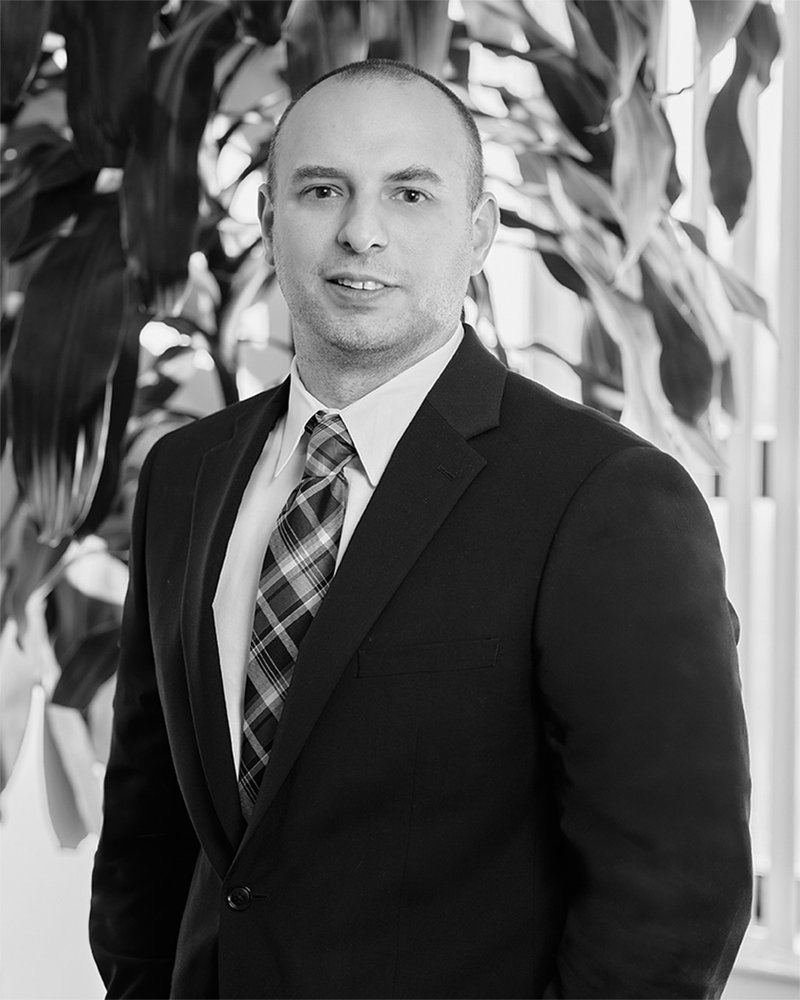
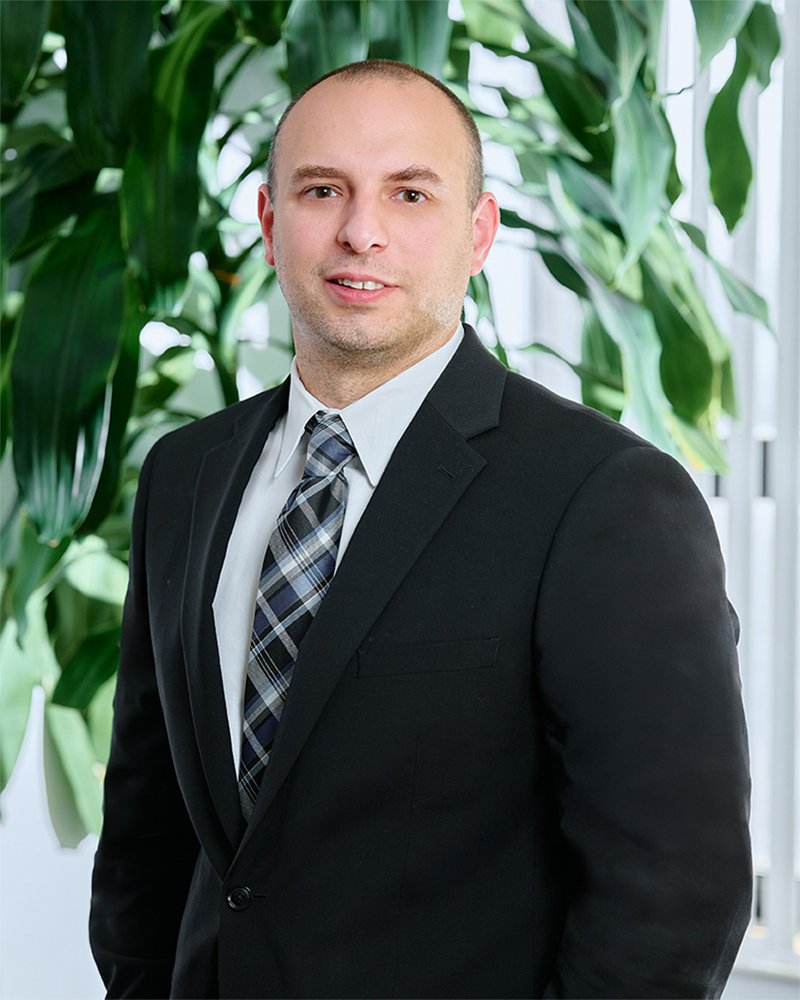
Attorneys on the Case
The attorneys
behind the win.
James Tierney, Steven Amshen and Maria Garber of Petroff Amshen LLP represented our client in the Appellate Division, Second Department.
Facing foreclosure? Petroff Amshen LLP is a New York consumer rights and foreclosure defense law firm. We find the defense in your file and take it to court.
Free case review. Confidential. Representation is by application.
Quick AnswerOn July 8, 2026, the Appellate Division, Second Department unanimously reversed an order of the Supreme Court, Queens County that had granted One West Bank FSB summary judgment in a foreclosure against Petroff Amshen's client, struck her answer and appointed a referee. The court held that under RPAPL 1302-a her standing defense was not waived by leaving it out of the answer, granted her leave to amend to add it and a contractual condition precedent defense, and held that with triable issues of fact about the bank's standing, the bank's motion "should have been denied." One bill of costs was awarded to our client.
One West Bank FSB started this foreclosure in August 2009 against our client and others over a property in Queens. PHH Mortgage Corporation later took One West's place as its successor in interest.
Our client's answer didn't raise two defenses. The first was standing, which asks whether the bank had the legal right to bring the case at all. The second was that the bank failed to meet a condition the mortgage contract set before any foreclosure. When the bank moved for summary judgment, she opposed and asked the court for permission to amend her answer to add both.
Summary judgment is how banks usually win foreclosure cases, because it lets the court rule without a trial. In an order dated October 3, 2024, the Supreme Court, Queens County gave the bank exactly that. It also struck her answer, appointed a referee to compute the amount due on the note, and refused to let her amend.
We took the case to the Appellate Division, Second Department, which heard argument on January 9, 2026. All four justices on the panel ruled for our client.
On standing, the court relied on RPAPL 1302-a. Since December 23, 2019, that law has said a standing defense in a foreclosure on a home loan "shall not be waived" just because the borrower left it out of the answer. "Contrary to PHH's contention," the court wrote, leaving it out "does not bar her from asserting it in the action."
The contract defense works differently. It is normally waived if it isn't in the answer, but a court can still let a borrower add it by amendment, and requests to amend are supposed to be freely granted. PHH argued our client had waited too long. The court answered that "[m]ere lateness is not a barrier to the amendment." The burden was on PHH, as the party fighting the amendment, to show real prejudice from the delay or that the defense had no merit. It showed neither.
That decided the rest. Once her answer included standing, the bank had to prove standing to win summary judgment, and the court found triable issues of fact about whether One West had standing to start the case. The bank's motion for summary judgment, to strike her answer and for an order of reference "should have been denied."
On the bank's requests, the Appellate Division held they "should have been denied."
The record, in order: the law on each defense, and what the court held on each argument.
RPAPL 1302-a, in effect since December 23, 2019, says that in a foreclosure related to a home loan, a defense based on the bank's lack of standing "shall not be waived" just because the borrower left it out of the answer. The court applied it here.
A defense that the bank skipped a step the mortgage required is normally waived if it is not in the answer. A court can still let the borrower add it by amending the answer, and requests to amend are supposed to be freely granted.
The burden is on the party fighting the amendment. In the court's words, "[m]ere lateness is not a barrier to the amendment. It must be lateness coupled with significant prejudice to the other side." PHH showed neither prejudice nor that the defense lacked merit.
Once the answer included standing, the bank had to prove standing to win summary judgment. The court found triable issues of fact about whether One West had standing to start the case.
Plenty of people answer a foreclosure complaint before they have a lawyer, and some leave out defenses that matter. This decision shows that a standing defense on a home loan survives that mistake, and that other defenses can still be added later unless the bank proves real prejudice.
It also shows that summary judgment for the bank isn't always the end of the road. This one was reversed, and the bank will have to establish its standing before it can get summary judgment again.
If you're in a long-running foreclosure in Queens, Brooklyn or anywhere else in New York, take a hard look at what your answer says and what it leaves out. A defense you never raised may still be available, and the time to find out is before the bank asks for a judgment.
James Tierney, Steven Amshen and Maria Garber of Petroff Amshen LLP represented our client in the Appellate Division, Second Department.
I could not recommend a better group than Petroff Amshen. If you find yourself in a situation that requires the assistance of attorneys, this is the firm.
After years of battling in court, thousands of dollars in legal fees, and quite a few subpar attorneys, we found Petroff and Amshen, who delivered winning results. They're incredibly easy to talk to, making the whole legal process feel less intimidating.
An effective firm with a minimum of fuss. When you need attorneys who actually do the work, you need these guys on your side.
Petroff Amshen does not take every case. Submit the application and a licensed New York attorney will review the matter directly. The case review is free and confidential.